
About dental hygienists
The dentist's clinical partner, with every patient.
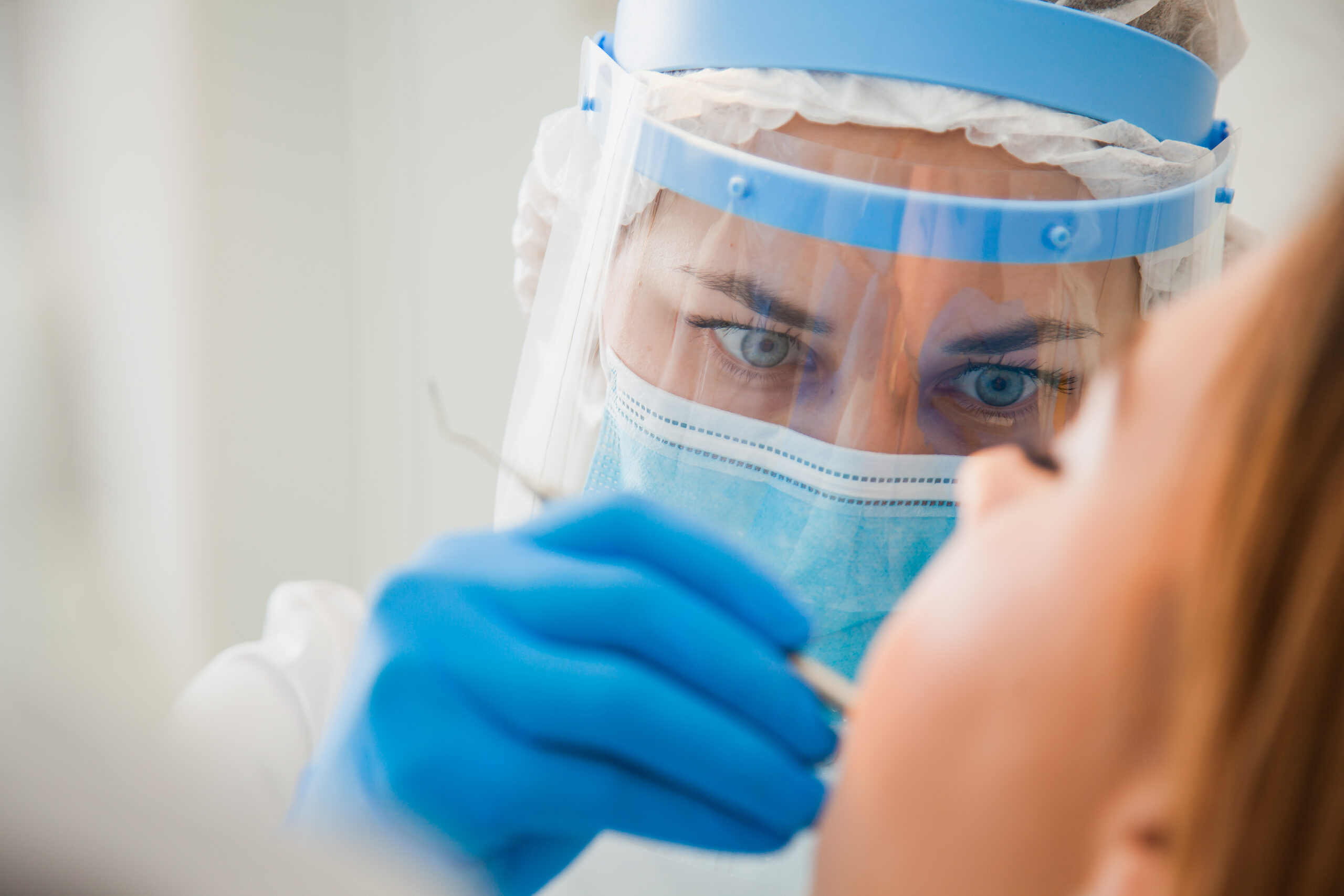
Dental hygienists check patients for oral disease, provide the preventive care that keeps it away and teach patients how to look after their own teeth. The dentist builds on what they find.
Why the role matters
Dentists count on their hygienists to catch problems early, keep them from coming back and teach patients to protect their own health.
Source: U.S. Bureau of Labor Statistics, Occupational Outlook Handbook.
What the job pays
Most hygienists earn between $75,000 and $126,000.
That is the range from the lowest-paid 10% to the highest-paid 10% nationally. Pay depends on where you work and how many hours you take on, since many hygienists work part time and some split their week between more than one dentist.
- $98,280median in dentists' offices, where 94% of hygienists work
- $91,160median in physicians' offices
- $80,830median in government roles
Annual wages, May 2025. Source: U.S. Bureau of Labor Statistics.
A day in the chair
What a dental hygienist does.
These are the core duties the Bureau of Labor Statistics lists for the job.

- 01
Clean teeth
Remove tartar, plaque and stains from patients' teeth.
- 02
Protect them
Apply sealants and fluoride to help prevent decay.
- 03
Take x-rays
Take and develop dental x-rays, following radiation safety procedures.
- 04
Assess oral health
Examine patients for signs of oral disease and report findings to the dentist.
- 05
Keep the record
Document the care given and the patient's treatment plan.
- 06
Teach patients
Teach patients good oral hygiene, including how to brush and floss.
How to become one
Four steps from student to licensed hygienist.
01
Earn a dental hygiene degree
Most hygienists start with an associate's degree in dental hygiene. The program usually takes about three years and should come from an accredited school.
Associate's degree02
Pass written and clinical exams
Most states require graduates of an accredited program to pass both a written exam and a clinical exam before licensure.
Written + clinical03
Get licensed in your state
Every state licenses dental hygienists, and the requirements vary from state to state. Check the rules where you plan to practice.
Required in all 50 states04
Keep learning
Licensed hygienists complete continuing education to stay licensed, and many employers also ask for CPR certification.
Continuing educationThink Dental Institute and hygiene education
Better-trained hygienists mean healthier patients.
We teach dentists, assistants and hygienists the same way: hands-on, with mentorship and evidence-based protocols, inside working dental practices.
Our goal is to improve public health by training skilled dental hygienists through education that is approachable and sustainable.
Hygiene students get clinical exposure in our affiliate practices across Massachusetts, which are private, non-Medicaid clinics. Partnerships with universities in California and Korea add shared learning resources, job opportunities and international exchange.
- CurriculumDeveloped by Think Dental Institute
- AccreditationProgram accreditation
- Partner clinicsClinical training in our affiliate practices
- FacultyDidactic and clinical instruction
- Pacific States UniversityCalifornia · US partner for learning resources and employment
- Sun Moon UniversityKorea · International exchange partner
Want to work chairside sooner? Our dental assisting program takes complete beginners to certification inside a working practice.
See dental assistingStart learning today
Thinking about a career in dental hygiene?
Talk to our team about hygiene education at Think Dental Institute, Monday to Friday, 9 to 5.
(857) 262-5307