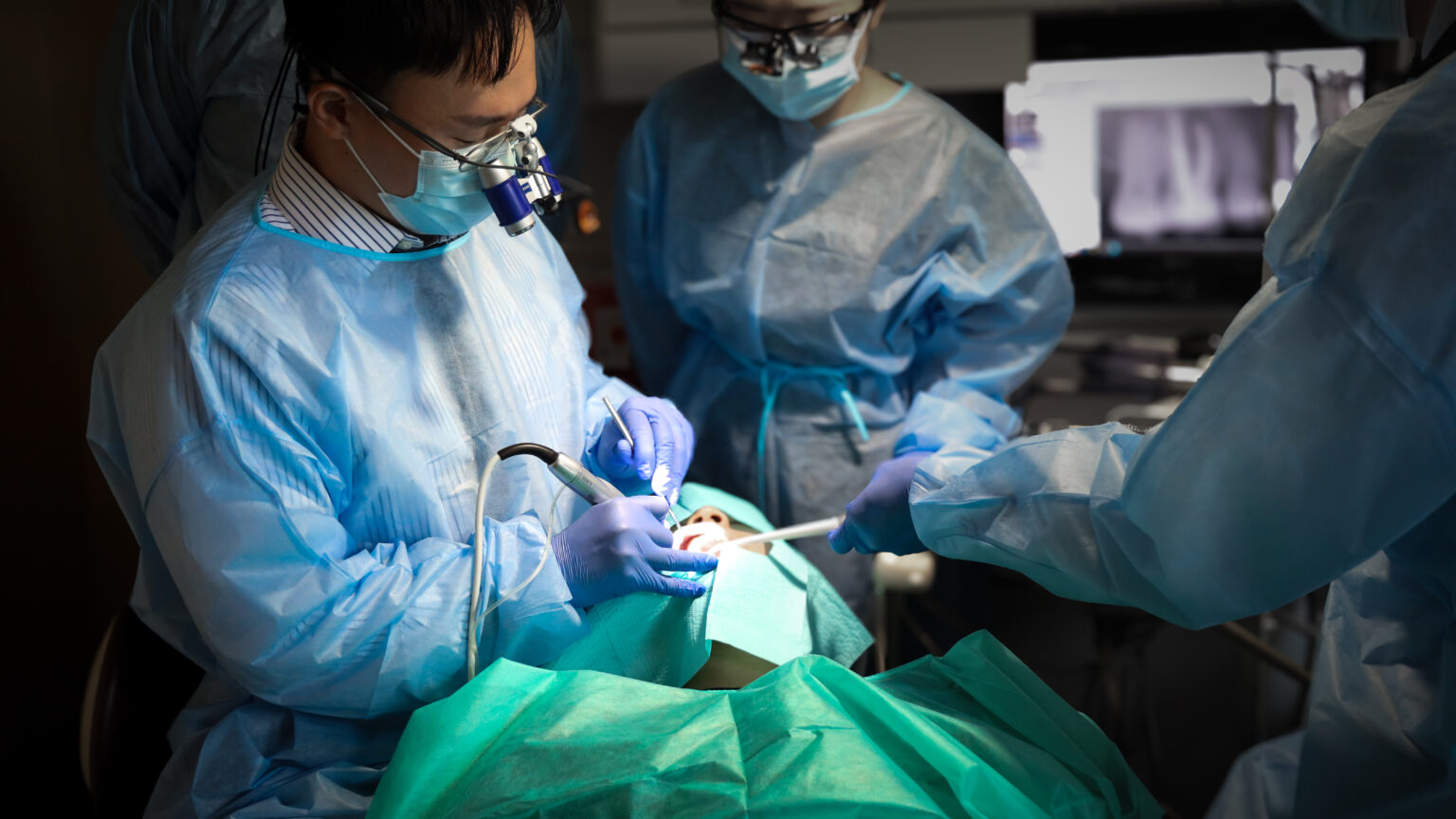
A dentist and dental assistants in surgical gowns treating a patient at a Think Dental Institute affiliate practice

Dental assisting at Think Dental Institute

From zero to dental assisting mastery.

New to dentistry? Our on-site program takes you from your first day to certification. You train chairside, inside a working dental practice, alongside the dentists and assistants who treat patients there every day.

No experience neededOn-the-job training in working practicesSix Massachusetts affiliate practices

How we teach it

You learn this job best beside the chair. So that is where we teach it: in working practices, on real cases, with experienced clinicians next to you.

$48,070median annual pay, May 2025
7%projected job growth from 2025 to 2035, much faster than average
53,000openings a year, on average, across the US
91%of dental assistants work in dentists' offices

Source: U.S. Bureau of Labor Statistics, Occupational Outlook Handbook.

The path in Massachusetts

From your first day to certified dental assistant.

01Before day one

Get ready to start

Massachusetts lets people with no dental experience train on the job. A few things come first.

  • Complete a course on the CDC's infection control guidelines
  • Hold a current CPR/BLS certification
  • Your supervising dentist files a notice of intent with the Board of Registration in Dentistry
02On-the-job training

Train chairside

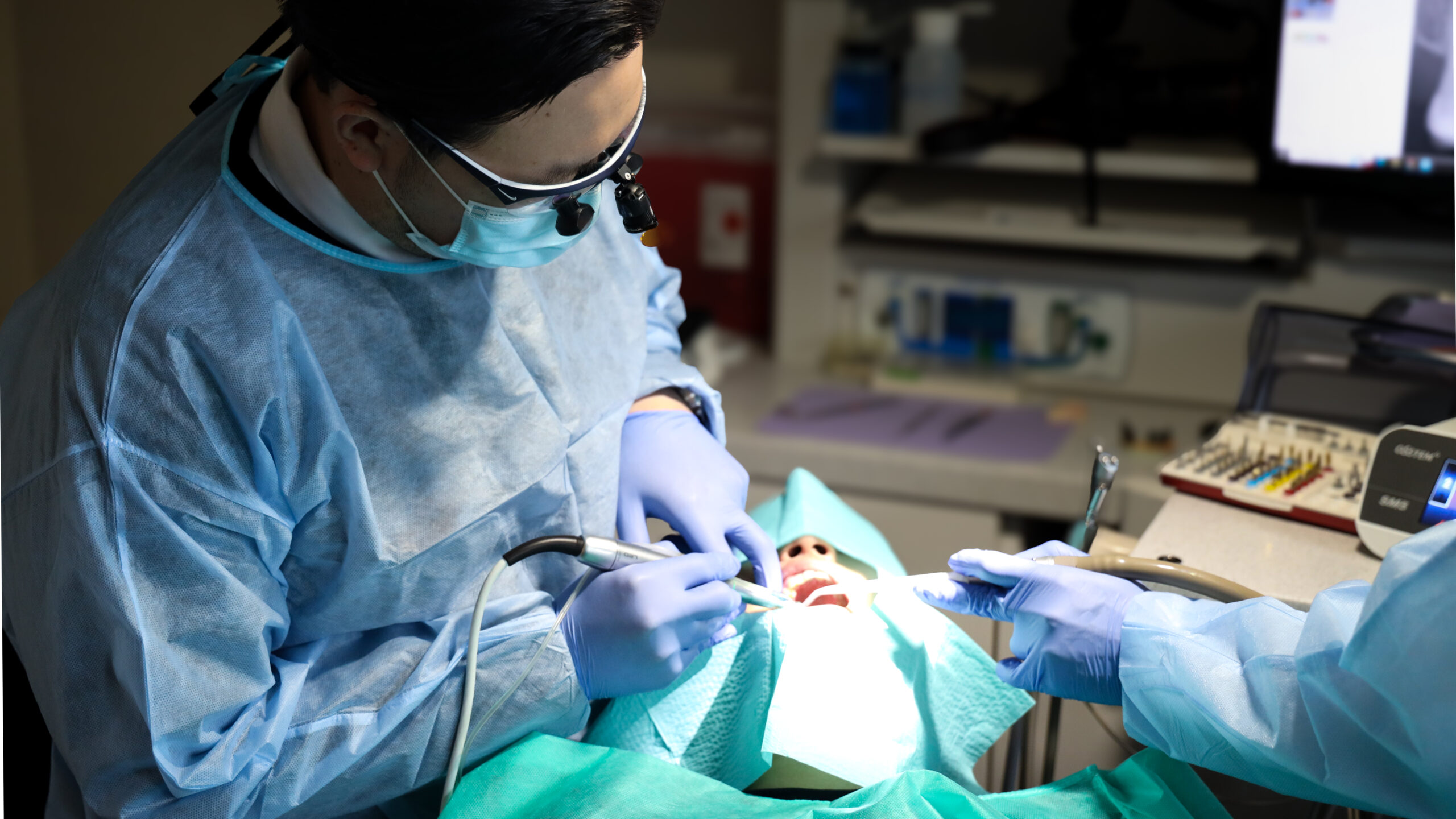
This is where our program does its work. You learn in one of our affiliate practices, with real patients and an experienced team.

  • Up to six months of training under the notice of intent
  • Chairside assisting, sterilization and operatory setup
  • No x-rays yet: those wait for step three

03Radiation safety

Qualify to take x-rays

Before you take a single radiograph, the state requires radiation health and safety training.

  • Complete a Board-approved radiation health and safety course
  • Or pass DANB's Radiation Health and Safety (RHS) exam

04Licensure

Get licensed in Massachusetts

The on-the-job pathway ends with a dental assistant license from the Board.

  • Pass the Massachusetts Ethics and Jurisprudence exam
  • Keep infection control and CPR/BLS current
  • Apply for licensure with the Board of Registration in Dentistry
05Certification

Become a Certified Dental Assistant

The national CDA credential from the Dental Assisting National Board (DANB) is the next step up.

  • The CDA exam combines three parts: RHS, Infection Control (ICE) and General Chairside (GC)
  • Without an accredited program, you qualify with a high school diploma and 3,500 hours of approved work experience
  • Current hands-on CPR, BLS or ACLS

Based on the Board of Registration in Dentistry's on-the-job trained dental assistant guide and DANB's CDA requirements. Rules change, so check the current requirements with the Board before you start.

The job

What a dental assistant does all day.

Assistants keep the chair, the patient and the practice running. These are the duties the Bureau of Labor Statistics lists for the job, plus the surgical work we train for.

A dental assistant's gloved hands supporting a dentist during treatment

At the chair

01

Prepare the patient and the room

Seat patients, keep them comfortable and set up the operatory for each procedure.

02

Work four-handed

Pass instruments to the dentist and use suction to keep the patient's mouth dry.

Behind the scenes

03

Sterilize

Clean and sterilize instruments between every patient.

04

X-rays and lab work

Process x-rays and handle lab tasks under the dentist's direction.

With patients and the front desk

05

Teach oral hygiene

Show patients how to care for their teeth at home.

06

Keep the practice running

Keep treatment records, schedule appointments and handle billing and payments.

07

Surgical support

We also train assistants in chairside systems and surgical support, so they are ready for implant cases.

A Think Dental Institute focus

What the job pays

Most dental assistants earn between $37,000 and $62,000.

That is the national range from the lowest-paid 10% to the highest-paid 10%. Most assistants work full time, and some work evenings or weekends.

$37,130Lowest 10% $48,070Median $62,250Highest 10%
  • $55,270median in government roles
  • $48,000median in dentists' offices, where most assistants work
  • $47,310median in physicians' offices

Annual wages, May 2025. Source: U.S. Bureau of Labor Statistics.

For practice owners

Implant cases run better when the whole team is trained.

Bring your assistants. We put together team training and mentorship around your practice and the procedures you want to bring in-house.

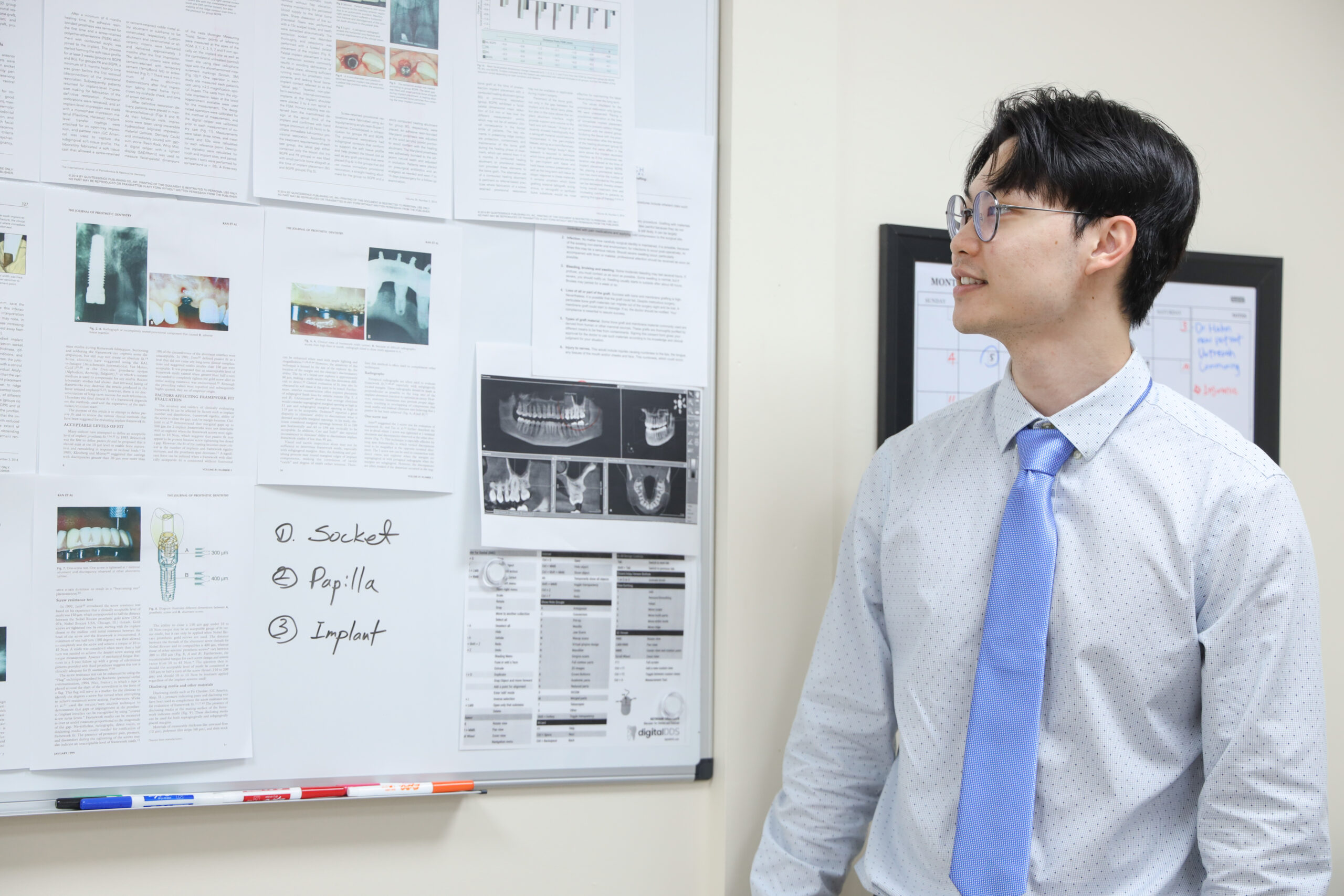
A clinician reviewing implant case notes and radiographs pinned to a board at Think Dental Institute

Team training

We train dental assistants and clinical teams in chairside systems and surgical support, so your practice is ready for the implant cases you bring home.

  • Your whole teamTraining built around your practice and the procedures you do.
  • Chairside systems and surgical supportWhat assistants need to know for implant surgery.
  • MentorshipGuidance from our clinicians as your team takes on new procedures.

Start here

Ready to start your career in dentistry?

Talk to our team about the dental assisting program or team training for your practice, Monday to Friday, 9 to 5.

(857) 262-5307
10 Post Office Square · Boston, MA 02109Our affiliate officesAGD PACE #399519